italiano
 English
 français
 Deutsch
 русский
 español
 português
 العربية
 Nederlands
 한국의
한국의 Romania
 Bulgaria
 Melayu

Ciao! Quindi, nel mondo in rapida evoluzione dei trasporti ecocompatibili, Soluzione per il rifornimento di veicoli a idrogenoLe energie rinnovabili stanno davvero giocando un ruolo importante. Con sempre più persone e aziende che abbracciano l'energia verde, alcuni attori si distinguono nettamente come leader. Probabilmente avrete sentito parlare di grandi nomi come Air Products, Nel ASA e Plug Power, e ognuno di essi apporta qualcosa di unico, che si tratti di tecnologia o di servizi.
Certo, l'installazione stazione di rifornimento di idrogenoIl percorso non è esattamente privo di ostacoli. Sebbene si stiano registrando progressi, rendere questi sistemi scalabili rappresenta ancora una sfida. Molte aziende stanno sperimentando nuove idee per aumentare l'affidabilità e l'efficienza, ma devono anche rispettare le normative di sicurezza e gestire la percezione pubblica delle stazioni di rifornimento di idrogeno.
Con la crescente diffusione delle auto a idrogeno sulle strade, aumenta rapidamente la necessità di opzioni di rifornimento affidabili. Orientarsi in questo panorama complesso richiede un mix di lavoro di squadra e idee innovative. È fondamentale comprendere a fondo il funzionamento del mercato per poter fare scelte oculate. In questa guida, analizzeremo i principali attori e le loro strategie per plasmare il settore del rifornimento di idrogeno.

La certificazione CE svolge un ruolo cruciale nello sviluppo di soluzioni di rifornimento di veicoli a idrogenoGarantisce che i prodotti rispettino gli standard essenziali di sicurezza e ambientali. Ottenere la certificazione CE comporta rigorose procedure di test. I produttori devono dimostrare l'affidabilità e la sicurezza dei loro sistemi di rifornimento. Questo processo può essere lungo e complesso, il che potrebbe scoraggiare alcuni dal perseguire la certificazione.
Le soluzioni di rifornimento a idrogeno presentano sfide specifiche. Garantire la compatibilità con le infrastrutture esistenti è fondamentale. Inoltre, la tecnologia deve affrontare i potenziali rischi associati all'utilizzo dell'idrogeno, come perdite o manipolazioni improprie. Tali problematiche evidenziano la necessità di accurate valutazioni di qualità. Questa situazione impone ai fornitori di innovare costantemente, pur nel rispetto degli standard CE.
Inoltre, l'interesse per i veicoli a idrogeno è in crescita. I fornitori devono muoversi in un mercato in continua evoluzione. Gli adeguamenti normativi e tecnologici sono costanti. Alcuni produttori potrebbero esitare, sentendosi sopraffatti dai requisiti di certificazione. Questa esitazione può rallentare il progresso del mercato. Le parti interessate devono impegnarsi in un percorso di formazione continua per mantenere la conformità e promuovere l'innovazione in questo settore dinamico.
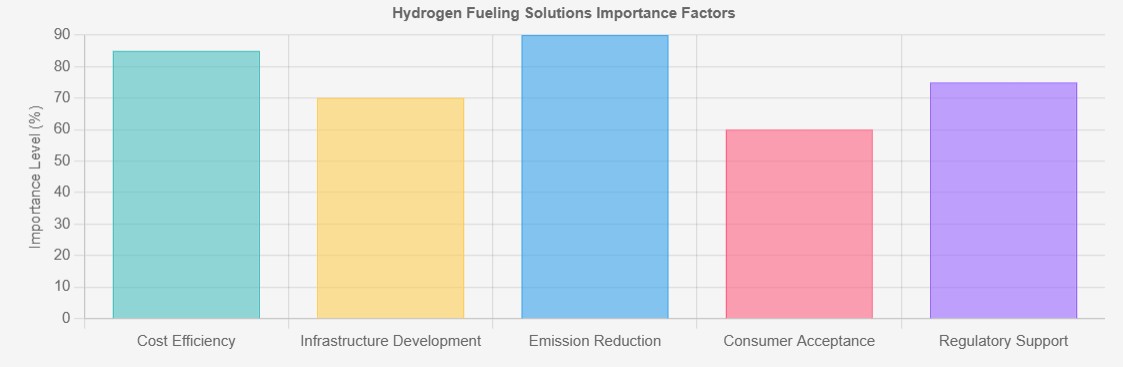
L'importanza delle soluzioni di rifornimento a idrogeno per la mobilità sostenibile è innegabile. Secondo l'Hydrogen Council, l'economia dell'idrogeno potrebbe contribuire con 2.500 miliardi di dollari all'economia globale entro il 2030. Questa potenziale crescita sottolinea l'urgenza di un'infrastruttura efficiente per il rifornimento di idrogeno.
I veicoli a celle a combustibile a idrogeno (FCV) emettono solo vapore acqueo, rappresentando quindi un'alternativa più pulita rispetto ai tradizionali veicoli a benzina. Il Dipartimento dell'Energia degli Stati Uniti stima che le tecnologie a celle a combustibile abbiano il potenziale per ridurre le emissioni di gas serra fino al 74%. Tuttavia, l'attuale infrastruttura di rifornimento rimane limitata. Solo una piccola percentuale delle stazioni di rifornimento è attrezzata per i veicoli a idrogeno, il che ostacola la loro diffusione su larga scala.
Inoltre, permangono delle sfide nella produzione e nello stoccaggio dell'idrogeno. La maggior parte dell'idrogeno viene prodotta dal gas naturale, sollevando preoccupazioni in merito alle emissioni di carbonio. Sarà essenziale un maggiore impegno nello sviluppo dell'idrogeno verde, prodotto da fonti rinnovabili. Un recente rapporto di BloombergNEF prevede che entro il 2030 la produzione di idrogeno verde potrebbe raggiungere i 5,5 milioni di tonnellate all'anno, ma si tratta ancora di una frazione di quanto necessario per un impatto su larga scala. Investimenti e innovazioni continui nelle soluzioni di rifornimento di idrogeno sono fondamentali per colmare queste lacune.
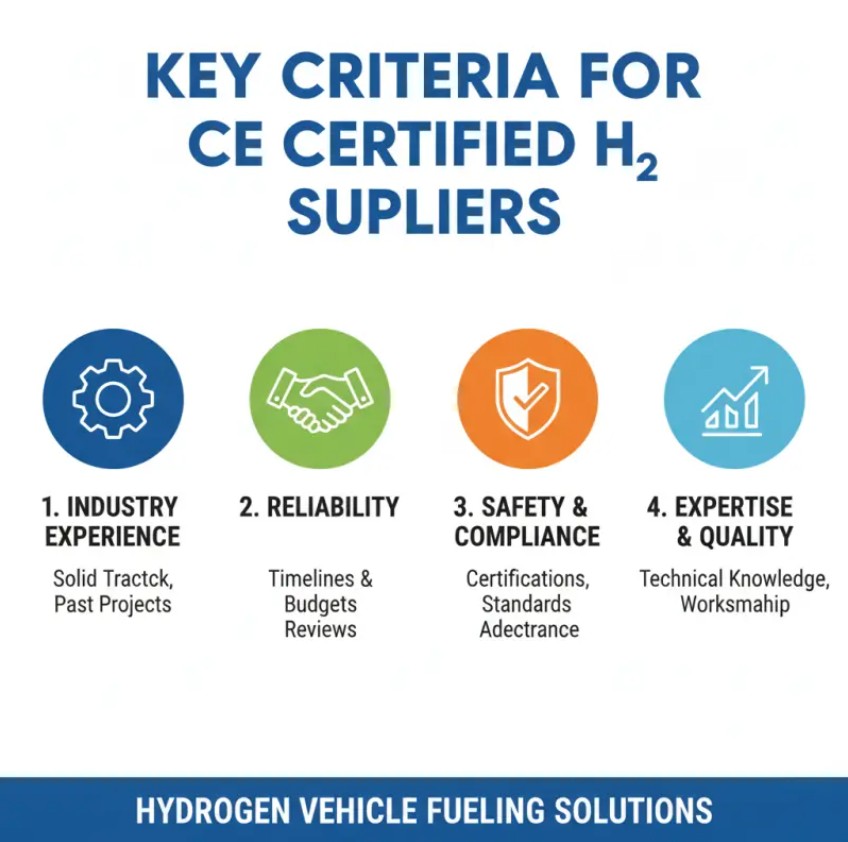
Quando si selezionano fornitori certificati CE per soluzioni di rifornimento di veicoli a idrogeno, è importante considerare la loro esperienza nel settore. I fornitori con una solida reputazione dimostrano spesso affidabilità. Esaminate i loro progetti precedenti per comprenderne le competenze. Hanno rispettato tempi e budget? Recensioni e testimonianze possono fornire informazioni preziose sulla qualità del loro lavoro. Anche l'attenzione alla sicurezza e alla conformità è fondamentale.
Valutate la tecnologia che utilizzano. Soluzioni di rifornimento innovative possono migliorare l'efficienza e ridurre i tempi di inattività. Cercate fornitori che diano priorità alla sostenibilità nelle loro operazioni. Questo è fondamentale nel mercato odierno, sempre più attento all'ambiente. Un altro fattore essenziale è la capacità di scalabilità del fornitore. Possono crescere insieme alle vostre esigenze? Considerate anche la flessibilità e l'adattabilità delle loro offerte.
Le partnership e le affiliazioni possono essere indice di fiducia e autorevolezza. I fornitori affiliati a organizzazioni rinomate spesso mantengono standard elevati. Quanto sono trasparenti riguardo alle loro certificazioni? Questo può indicare il loro impegno per la qualità e la conformità normativa. Non dimenticate di valutare il servizio clienti. Un supporto facilmente accessibile può fare una grande differenza nella rapida risoluzione dei problemi.
La crescita dei veicoli a idrogeno sta incrementando la domanda di soluzioni di rifornimento efficienti. Diversi fornitori si stanno impegnando per offrire sistemi con certificazione CE. Questi sistemi garantiscono sicurezza, efficienza e conformità agli standard europei. Un fornitore affidabile dovrebbe dimostrare competenza ed esperienza in questo mercato di nicchia.
Suggerimenti: concentratevi su fornitori con una comprovata esperienza. Verificate le loro certificazioni e le recensioni dei clienti. Questo aggiunge un ulteriore livello di fiducia. Non trascurate le aziende più piccole: potrebbero offrire soluzioni innovative. Il confronto con esperti del settore può fornire spunti più preziosi.
La tecnologia di rifornimento a idrogeno è in continua evoluzione, ma le sfide permangono. In molte regioni, l'infrastruttura è ancora in fase embrionale. Alcuni fornitori potrebbero faticare a tenere il passo con la domanda, causando ritardi per i clienti alla ricerca di soluzioni di rifornimento affidabili. La capacità di un fornitore di adattarsi ai cambiamenti del mercato è fondamentale. È importante valutare attentamente i potenziali partner per evitare problemi.
Negli ultimi anni, le infrastrutture per il rifornimento di idrogeno hanno acquisito notevole importanza. Tecnologie innovative stanno rivoluzionando il nostro modo di concepire l'idrogeno come combustibile. Le aziende stanno esplorando diversi metodi per migliorare l'efficienza e la sicurezza delle stazioni di rifornimento di idrogeno.
Un approccio di rilievo prevede l'utilizzo di tecniche di compressione avanzate. Questi metodi ottimizzano l'utilizzo dell'energia durante il processo di compressione, con conseguente riduzione dei costi operativi. Tuttavia, permangono delle sfide, come garantire tempi di rifornimento costanti e mantenere elevati standard di sicurezza. Gli ingegneri stanno lavorando incessantemente per superare questi ostacoli.
Un altro sviluppo entusiasmante è l'integrazione delle tecnologie digitali. I sistemi di monitoraggio intelligenti aiutano a gestire la distribuzione dell'energia e a rilevare le perdite. Questi sistemi non solo migliorano la sicurezza, ma anche l'esperienza complessiva dell'utente. Tuttavia, è fondamentale garantire che questi sistemi rimangano facili da usare e accessibili a tutti. La continua evoluzione delle soluzioni di rifornimento di idrogeno riflette sia il potenziale che la necessità di una costante innovazione in questo promettente settore.
Il rifornimento dei veicoli a idrogeno implica il rispetto di normative complesse. I fornitori devono attenersi a rigorosi standard di sicurezza. La mancata conformità può comportare sanzioni significative. Ogni regione può avere requisiti specifici, pertanto è fondamentale rimanere informati. La formazione del personale su queste normative è cruciale.
Consigli per la conformità: le verifiche periodiche aiutano a identificare potenziali problemi. Assicuratevi che tutta la documentazione sia completa e aggiornata. Il dialogo con gli enti regolatori può fornire spunti utili. L'istituzione di un programma di formazione completo è essenziale per la conformità a lungo termine.
Le sfide sono significative. La tecnologia si evolve rapidamente, il che può creare lacune normative. I fornitori potrebbero faticare a tenere il passo con i progressi del settore. Collaborare con esperti del settore può mitigare i rischi. Instaurare solide relazioni con le autorità di regolamentazione può inoltre facilitare operazioni più fluide.
| Tipo di fornitore | Servizio offerto | Livello di conformità normativa | Sfide affrontate | Posizione |
| Produttore di apparecchiature | Apparecchiature per l'erogazione di idrogeno | Alto | Rispettare le normative in continua evoluzione | Europa |
| Gestore della stazione di servizio | Stazioni di rifornimento di idrogeno | Moderare | Sviluppo delle infrastrutture | America del Nord |
| Società di consulenza | Consulenza in materia di conformità normativa | Alto | Rimanere al passo con le normative | Asia |
| Fornitore di idrogeno | Produzione e fornitura di idrogeno | Moderare | Logistica e distribuzione | Australia |
| Fornitore di tecnologia | Tecnologie di rifornimento innovative | Alto | rapidi cambiamenti tecnologici | In tutto il mondo |
Il futuro dell'alimentazione a idrogeno per i veicoli si prospetta roseo. Con la crescente attenzione globale alla sostenibilità, le celle a combustibile a idrogeno stanno guadagnando terreno. Queste soluzioni possono ridurre significativamente le emissioni di carbonio. Entro il 2030, si prevede che il mercato dell'alimentazione a idrogeno si espanderà rapidamente, trainato dai progressi tecnologici e infrastrutturali.
Una pianificazione efficace è fondamentale per l'implementazione di sistemi di rifornimento a idrogeno. Il passaggio dai combustibili convenzionali implica la comprensione delle sfide specifiche dell'idrogeno. I protocolli di sicurezza sono essenziali, poiché l'idrogeno è infiammabile. La formazione del personale per la gestione efficace di questi sistemi è vitale per il successo.
Consigli per il successo:
1. Tieniti aggiornato sulle normative. Il rispetto delle leggi locali è fondamentale.
2. Investite in solidi programmi di formazione. Una conoscenza adeguata aumenta la sicurezza e l'efficienza.
3. Collabora con esperti del settore. Le loro intuizioni possono guidare le tue decisioni strategiche.
Con l'evolversi di queste tendenze, diventerà sempre più evidente la necessità di fornitori affidabili di sistemi di alimentazione a idrogeno. Tuttavia, i dati attendibili sulle tendenze di mercato possono essere scarsi. Le aziende devono condurre ricerche approfondite e rimanere costantemente informate per gestire efficacemente questi cambiamenti.
L'articolo fornisce una guida completa alle soluzioni di rifornimento di veicoli a idrogeno con certificazione CE, evidenziandone il ruolo cruciale nel promuovere la mobilità sostenibile. Sottolinea l'importanza della conformità normativa e le sfide che i fornitori di carburante devono affrontare in questo mercato in continua evoluzione. Vengono discussi i criteri chiave per la selezione dei fornitori con certificazione CE, garantendo che le parti interessate possano compiere scelte consapevoli in questo settore.
Inoltre, l'articolo esplora le tecnologie innovative che potenziano le infrastrutture di rifornimento di idrogeno ed esamina le tendenze future che promettono una crescita significativa del mercato. Concentrandosi su questi elementi, la guida si configura come una risorsa preziosa per comprendere le dinamiche delle soluzioni di rifornimento di veicoli a idrogeno, essenziali per un panorama dei trasporti più ecologico e sostenibile.
Qual è l'importanza della certificazione CE nelle soluzioni di rifornimento a idrogeno?
La certificazione CE garantisce che i prodotti soddisfino gli standard essenziali di sicurezza e ambientali per i sistemi di rifornimento di idrogeno.
Quali sono le principali sfide per ottenere la certificazione CE?
Il processo è complesso e richiede molto tempo, il che può scoraggiare alcuni produttori dal perseguire la certificazione.
In che modo le soluzioni di rifornimento di idrogeno devono adattarsi alle infrastrutture esistenti?
La compatibilità con le infrastrutture esistenti è fondamentale per garantire un rifornimento di idrogeno efficiente e sicuro.
Quali sono i rischi associati all'utilizzo dell'idrogeno?
Tra i potenziali rischi si annoverano perdite e manipolazione impropria, che rendono necessarie accurate valutazioni di qualità.
Perché alcuni fornitori potrebbero esitare a investire nelle tecnologie per veicoli a idrogeno?
L'evoluzione del mercato e la complessità dei requisiti normativi potrebbero mettere in difficoltà alcuni produttori, rallentando i progressi.
In che modo le tecnologie innovative stanno migliorando le infrastrutture per il rifornimento di idrogeno?
Tecniche di compressione avanzate e tecnologie digitali stanno migliorando l'efficienza e la sicurezza nelle stazioni di rifornimento.
Che ruolo svolgono i sistemi di monitoraggio intelligenti nel rifornimento di idrogeno?
Contribuiscono a gestire la distribuzione dell'energia e a individuare le perdite, migliorando la sicurezza e l'esperienza dell'utente.
Quali sono le preoccupazioni relative all'integrazione delle tecnologie digitali?
Garantire che queste tecnologie rimangano facili da usare e accessibili è essenziale per una loro ampia diffusione.
Quali attività continue sono necessarie per le parti interessate in questo settore?
La formazione continua è fondamentale per garantire la conformità e promuovere l'innovazione.
In che modo i progressi tecnologici influiscono sui costi operativi del rifornimento di idrogeno?
L'ottimizzazione dell'utilizzo dell'energia durante la compressione può portare a una riduzione dei costi operativi, ma le sfide rimangono.



 IPv6 RETE SUPPORTATA