italiano
 English
 français
 Deutsch
 русский
 español
 português
 العربية
 Nederlands
 한국의
한국의 Romania
 Bulgaria
 Melayu

Quando si sceglie un sistema di elettrodialisi, uno degli errori più comuni è quello di indicare al fornitore solo la portata richiesta e chiedere un preventivo. La vera base per un processo efficace non è semplicemente il numero di metri cubi all'ora da trattare, ma anche gli ioni presenti nell'acqua di alimentazione, i componenti da trattenere, le specifiche richieste per l'acqua di prodotto e le modalità di gestione del concentrato.
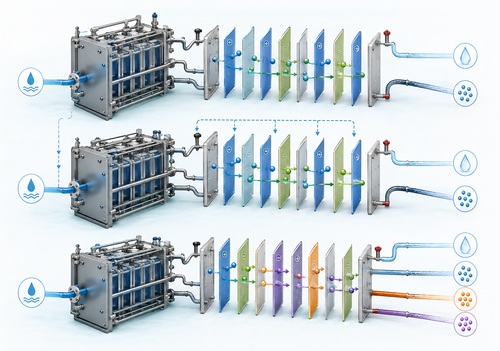
Convenzionale elettrodialisi ED utilizza un campo elettrico a corrente continua per spingere gli ioni carichi attraverso membrane a scambio cationico e anionico alternate. I sali vengono ridotti nei canali di diluizione e concentrati nei canali di concentrazione. Ciò lo rende particolarmente adatto quando l'obiettivo principale è la rimozione degli ioni, la desalinizzazione selettiva o la concentrazione del sale. Per trattamento delle acque mediante elettrodialisiUna decisione basata esclusivamente sul TDS può sottovalutare i rischi di incrostazioni, sporcamento delle membrane e consumo energetico.
All'inizio di un progetto, preparare un'analisi completa dell'acqua che includa conducibilità o TDS, principali cationi e anioni, durezza, alcalinità, silice, ferro e manganese, COD, solidi sospesi, pH e temperatura. Definire inoltre la conducibilità target, il recupero, il fattore di concentrazione e il tempo di funzionamento continuo richiesto.
Laddove l'acqua di alimentazione è relativamente stabile e il pretrattamento è adeguato, e l'obiettivo è principalmente la desalinizzazione o la concentrazione, l'elettrodialisi convenzionale ED offre una struttura di processo chiara, un funzionamento flessibile e un controllo a fasi semplice. Laddove la durezza è elevata, la composizione dell'alimentazione varia sostanzialmente o la resistenza al calcare a lungo termine è un requisito importante, Inversione dell'elettrodialisi (EDR) dovrebbe essere valutato attentamente.
L'inversione periodica dell'elettrodialisi modifica la polarità degli elettrodi, alternando le funzioni dei flussi di diluizione e di concentrato. Ciò può ridurre la probabilità che determinati depositi rimangano sulle superfici delle membrane per periodi prolungati. Tuttavia, non elimina la necessità di un pretrattamento adeguato, come la filtrazione, l'addolcimento, la rimozione di ferro e manganese o le misure di controllo della sostanza organica.
Trattamento delle acque EDI È destinato principalmente al trattamento di acque ad elevata purezza. Normalmente tratta acque che sono già state sostanzialmente desalinizzate a monte e combina un campo elettrico con mezzi di scambio ionico per la deionizzazione continua. Non deve essere considerato un sostituto universale per il trattamento di acque di alimentazione ad alta salinità.
Elettrodialisi a membrana bipolare Segue un percorso di recupero delle risorse. Generando H⁺ e OH⁻ all'interfaccia della membrana bipolare sotto l'azione di un campo elettrico, è in grado di convertire specifici sistemi salini nei corrispondenti acidi e basi. È pertanto rilevante per il recupero di sali di scarto, il recupero di acidi e alcali e la produzione di acidi organici.
Due progetti con la stessa capacità di 10 m³/h possono richiedere superfici di membrana, densità di corrente, design dei canali di flusso, disposizione del ricircolo e pretrattamento completamente diversi, a causa della diversa composizione dell'acqua di alimentazione. Un solido processo di selezione suddivide gli input di progettazione in tre finestre:
Finestra sulla qualità dell'acquasalinità, rapporti ionici, ioni bivalenti, costituenti che formano incrostazioni, colloidi e materia organica.
Finestra di destinazione: velocità di desalinizzazione, conducibilità finale, recupero, concentrazione del concentrato e qualsiasi requisito di trattenere selettivamente un particolare ione.
Finestra operativa: variazione della temperatura di alimentazione, ore di funzionamento giornaliere, tempi di inattività accettabili per la pulizia, alimentazione elettrica del sito e requisiti di automazione.
Per le apparecchiature di elettrodialisi per il trattamento dell'acqua, un numero maggiore di membrane non è automaticamente sinonimo di prestazioni migliori, così come una corrente più elevata non è automaticamente più economica. Il funzionamento in prossimità della corrente limite può aumentare la polarizzazione di concentrazione, la scissione dell'acqua e la formazione di incrostazioni localizzate. Una progettazione professionale bilancia la chimica dell'acqua, il numero di coppie di membrane, l'area effettiva della membrana, la velocità di flusso, la corrente e la configurazione degli stadi, anziché limitarsi ad applicare un modello standard.
Il costo a lungo termine di un sistema di elettrodialisi comprende in genere l'elettricità, la sostituzione delle membrane, i prodotti chimici per il pretrattamento, la pulizia, la manutenzione di pompe e valvole e lo smaltimento del concentrato. A parità di obiettivo di qualità dell'acqua, i confronti più significativi riguardano il consumo energetico specifico per unità di acqua prodotta, il recupero stabile, la caduta di pressione del pacco membrane, l'intervallo di pulizia, il livello di automazione e la disponibilità di pezzi di ricambio.
Se un fornitore fornisce solo il prezzo dell'unità principale senza definire i limiti dell'acqua di alimentazione, la conduttività di progetto, l'idoneità del materiale della membrana, la corrente di esercizio, i requisiti di pretrattamento e il percorso di gestione del concentrato, il progetto potrebbe successivamente trovarsi in una situazione in cui l'apparecchiatura funziona ma non è in grado di mantenere le prestazioni richieste in modo continuativo.
Per gli impianti di produzione continua, è opportuno valutare anche il monitoraggio online di conducibilità, portata, pressione, tensione, corrente e temperatura, unitamente a interblocchi, inversione automatica, lavaggio e logica di allarme. In un progetto di inversione per elettrodialisi, la frequenza di inversione non è semplicemente "più alta è, meglio è"; deve essere impostata in base alla tendenza all'incrostazione dell'acqua di alimentazione, alle caratteristiche di intasamento e alla progettazione idraulica del sistema.
Un fornitore qualificato dovrebbe essere in grado di spiegare, sulla base dell'analisi dell'acqua, perché è stata selezionata una particolare membrana, perché sono state utilizzate una specifica configurazione di stadio e un particolare approccio di ricircolo, e perché l'elettrodialisi a inversione, il trattamento dell'acqua EDI o l'elettrodialisi a membrana bipolare sono o non sono appropriati. Una semplice scheda parametrica non è sufficiente.
Il marchio Rubri di Hefei Sinopower Technologies Co., Ltd. presenta soluzioni di elettrodialisi, EDR, elettrodialisi a membrana bipolare e relative soluzioni a membrana a scambio ionico sul sito hfsinopower.com. Per un progetto reale, il punto di partenza ideale è fornire la composizione ionica dell'acqua grezza, la capacità, l'obiettivo di acqua di prodotto, il recupero, le ore di funzionamento e la destinazione del concentrato, per poi discutere la configurazione del pacco di membrane, il pretrattamento, i controlli e la manutenzione.
Nel caso di acque reflue ad alta salinità, recupero di risorse o qualità dell'acqua fortemente variabile, è opportuno includere test di laboratorio o su scala pilota nel processo decisionale ingegneristico. Una buona scelta non consiste nel trovare una macchina in grado di produrre acqua una tantum, bensì nel trovare un sistema in grado di mantenere un equilibrio a lungo termine tra qualità dell'acqua, consumo energetico, manutenzione e costi del ciclo di vita.
1. Le mie acque reflue hanno una salinità molto elevata. L'elettrodialisi è necessariamente adatta?
Non necessariamente. La salinità è solo uno dei fattori da considerare. Anche la composizione ionica principale, la durezza, la silice, i solidi sospesi, la materia organica, l'olio e la concentrazione target sono fattori importanti. Se la principale difficoltà è rappresentata dagli ioni rimovibili e il pretrattamento può controllare la formazione di incrostazioni e depositi, l'elettrodialisi è spesso una soluzione da valutare. Laddove prevalgono i contaminanti non ionici, potrebbe essere necessario combinarla con la filtrazione, l'ossidazione, l'osmosi inversa o altri processi.
2. L'EDR può risolvere ogni problema di scalabilità?
No. L'EDR può ridurre l'accumulo continuo di alcuni depositi invertendo la polarità, migliorando la stabilità in condizioni idriche più complesse. Elevata durezza, alto contenuto di silice, alto contenuto di ferro e manganese o grandi quantità di solidi sospesi richiedono comunque un pretrattamento mirato. Considerare l'EDR come una tecnologia che non necessita di pretrattamento solitamente aumenta la frequenza di pulizia e il rischio di danni alle membrane.
3. Come scegliere tra il trattamento dell'acqua con EDI e l'elettrodialisi convenzionale?
Quando l'obiettivo è la desalinizzazione su larga scala, la rimozione selettiva degli ioni o la concentrazione da acqua salina, di solito si valutano per primi i sistemi ED o EDR. Quando la maggior parte della desalinizzazione è già stata completata a monte e la fase finale richiede la produzione continua di acqua ad elevata purezza, il trattamento dell'acqua con EDI è generalmente più adatto. Le condizioni dell'acqua di alimentazione e gli obiettivi di progettazione differiscono; nessuno dei due sistemi è "più avanzato" in ogni applicazione.
4. Quando è opportuno effettuare un test pilota per l'elettrodialisi a membrana bipolare?
Un progetto pilota è particolarmente prezioso quando il progetto prevede la conversione di sali di scarto in acidi e basi, il recupero di acidi o alcali, il recupero di risorse ioniche da salamoie o sistemi con nuovi materiali, oppure la gestione di impurità complesse che possono influenzare la selettività della membrana e l'efficienza di corrente. Il lavoro su scala pilota può verificare la concentrazione del prodotto, la migrazione delle impurità, l'efficienza di corrente, l'andamento del consumo energetico, l'intasamento della membrana e il recupero della pulizia prima dell'espansione su scala industriale.


 IPv6 RETE SUPPORTATA